
Debut — May 12, 2026
Sounds Like Trouble to Me
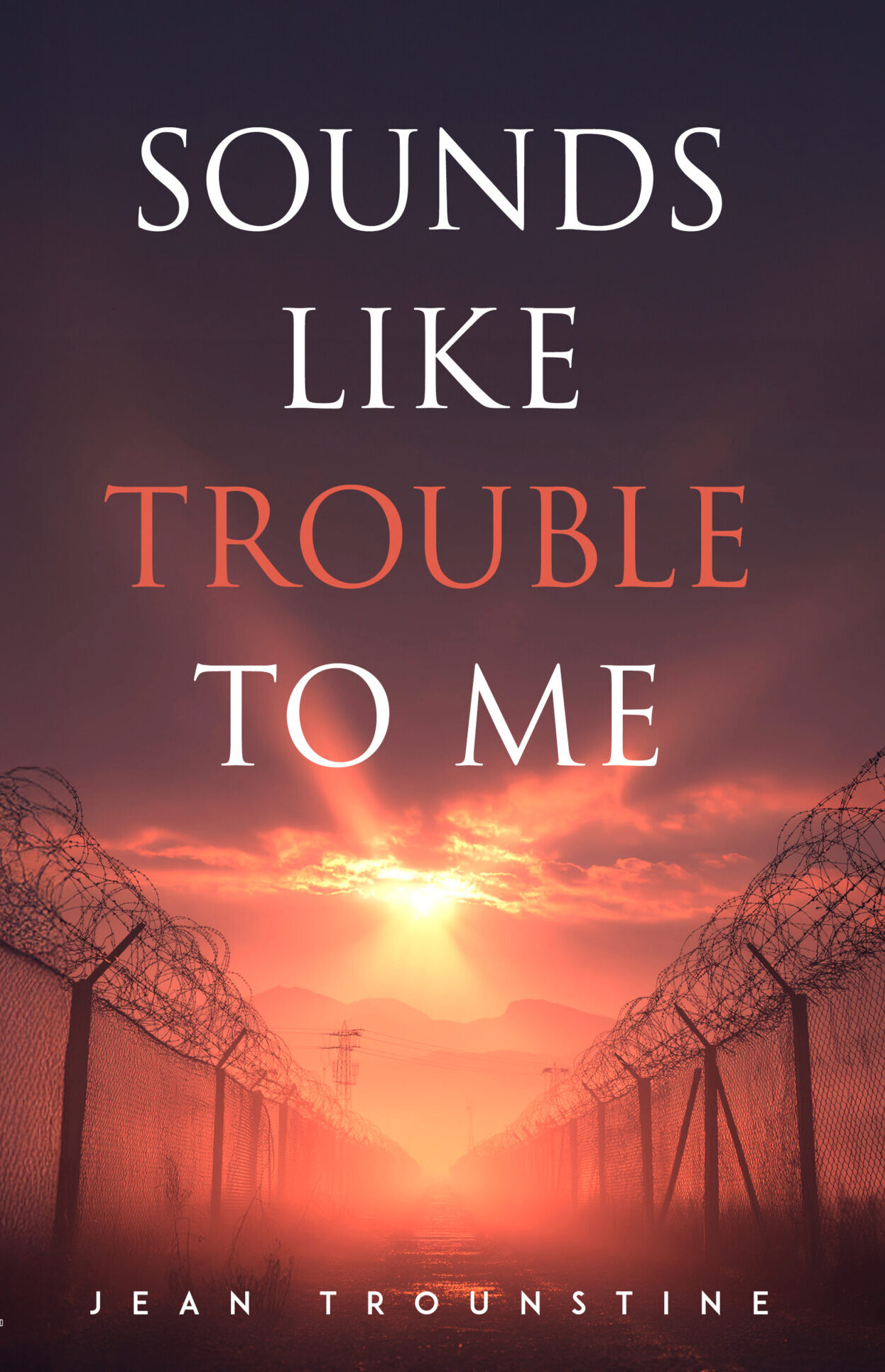
Sounds Like Trouble to Me sheds light on what happens when a corrections officer kills her abusive husband and suddenly finds herself on the other side of the law. Not only is she shocked with the systematic abuse against fellow female prisoners but confronted with the complicated history of her own abuse, she must struggle with her fragile memory to uncover what actually happened before she goes to trial. It is the women she meets that change her, and in the end, she spurs on a MeToo movement behind bars.
Order Your Copy
A message from Jean about her new novel, Sounds Like Trouble to Me
Available for Interview
Jean Trounstine is available to discuss the following topics in connection with Sounds Like Trouble to Me. To arrange an interview, contact publicist Tanya Farrell at Wunderkind PR.
The Real-Life Spark Behind Sounds Like Trouble to Me
After more than 30 years working inside the criminal legal system, Jean Trounstine drew inspiration from real events: a warden who killed her abusive husband and was placed in a waiting-trial unit, and the collective uprising of women at FCI Dublin who exposed systemic sexual abuse. The novel imagines what happens when power shifts — and when women decide to speak.
From Prison Reform to Fiction: Why This Story Needed a Novel
Having spent decades in journalism and advocacy, Trounstine turned to fiction to explore emotional truth beyond documented fact. The novel allows her to examine moral ambiguity, interior lives, and the gray areas of power, survival, and justice in ways journalism cannot.
Voice, Agency, and the Risk of Speaking
Voice without protection can be dangerous — especially for incarcerated women. In prison, speaking up can cost you safety, privileges, or even your future. Silence becomes survival. This novel asks: What does it take for women to speak anyway? And what are the consequences when they do?
Women in Prison Are Not Who We Think They Are
Most incarcerated women are there because of poverty, abuse, addiction, or coercion — not because they are inherently violent. Most are mothers. Their incarceration fractures families in ways the system barely acknowledges. Culturally, we romanticize incarcerated men as rebels or antiheroes. Incarcerated women are dismissed as broken, immoral, or disposable. This novel challenges that narrative.
“Sentenced to Literature” — The Transformative Power of Reading
Through her program Changing Lives Through Literature, judges, probation officers, professors, and probationers sit in a circle as equals to discuss books. Literature levels the room. Participants discover their intellectual authority — often for the first time. The novel reflects the belief that stories don’t just entertain; they create dignity.
MeToo Behind Bars: Abuse Where No One Is Watching
National conversations about sexual abuse often stop at the prison gates. Yet prisons are largely male-guarded institutions housing traumatized women with little transparency or oversight. The uprising at FCI Dublin made clear that abuse thrives in secrecy. Sounds Like Trouble to Me asks uncomfortable questions about power, accountability, and what happens when there is no safe place to report harm.
The Power of Community
In prison, community isn’t sentimental — it is survival. Women build alliances to protect themselves from exploitation. Sounds Like Trouble to Me resists portraying prison as purely brutal or conveniently redemptive. It is a place of danger, yes — but also of ingenuity, resilience, and connection forged under pressure.
Praise for Sounds Like Trouble to Me
“Trounstine’s stunner isn’t just about the toll prison life takes on women, it’s about the breaking points in all of our lives, from domestic abuse to an attorney’s rage at injustice to the way memory haunts, fools, and eventually frees us. Rich with love for her indelible characters, Trounstine’s novel is a blindingly original MeToo, showing how even in the darkest environment, female friendship not only nurtures, but builds extraordinary power and light. A truly remarkable read.”
— Caroline Leavitt, New York Times bestselling author of Pictures of You and Days of Wonder
“Stories like this help people understand that women’s incarceration carries layers of trauma. So often we are punished when what we truly need are healing centers, support, and restoration. Your book has the potential to open hearts and minds in ways policy reports never could. The world needs this story.”
— Stacey Borden, founder of New Beginnings Reentry Services
“Jean Trounstine’s Sounds Like Trouble to Me is a valuable and important book for many obvious reasons… not least the window it opens into the seldom-seen-by-civilians world of corrections officers.”
— Madison Smartt Bell, author of All Souls’ Rising, National Book Award finalist, and author of more than twenty other books
“In her remarkable debut novel, Sounds Like Trouble to Me, Jean Trounstine takes readers on a perilous journey through the U.S. legal system, behind bars, and beyond. This affecting tale is soaked with empathy and understanding.”
— Stona Fitch, author of Death Watch
“Sounds Like Trouble to Me is not only a scrutiny of how structural abuse pervades the U.S. prison system, but a narrative about memory, strength in family, and standing up to exploitation. An absorbing page-turner, with complicated lives worthy of a close inspection, this novel succeeds on so many levels and demands our attention.”
— David Moloney, author of Barker House
“Caroline Leavitt is so right, the book is a truly remarkable read.”
— Cosimo Giovine, publisher of Zio Apollo Press
“Sounds Like Trouble to Me took me through so many different emotions. The details in the story were mind blowing… it gives readers insight into how your whole life can change in an instant.”
— Angelia Jefferson, formerly incarcerated freedom fighter, now transform-harm coordinator at Families for Justice as Healing
“This powerful read transported me back to the many housing units in women’s prisons… where courageous women form loving and nurturing communities despite trauma and abuse. Nettie represents many criminalized survivors. A sheroic journey.”
— Olinda Moyd, movement lawyer, decarceration advocate, social justice activist, and law clinic professor
“A gritty, justice-oriented thriller about a corrections officer who finds herself on the other side of the bars.”
— BookStr on Instagram
Ready to read SOUNDS LIKE TROUBLE TO ME?